







Search Results for: Number of Extractions
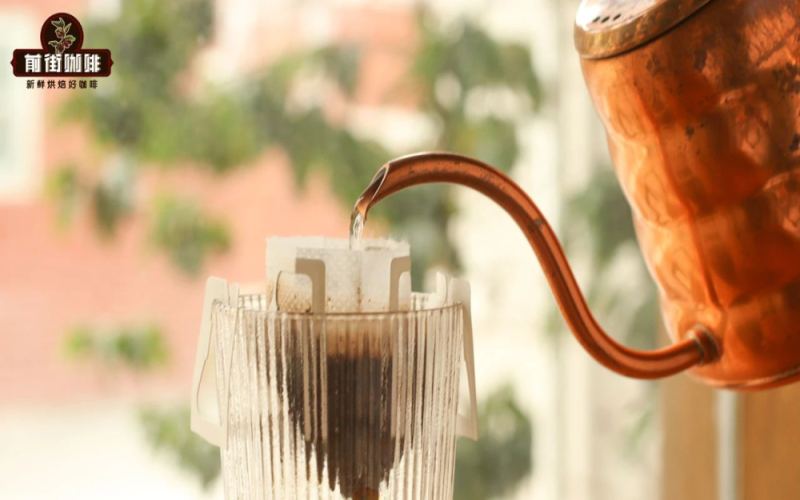
The Correct Guide to Brewing Drip Coffee: Detailed Explanation of Water Amount, Water Temperature, and Number of Extractions, with Flavor Recommendations from Five Front Street Coffee Production Regions
Drip coffee bags have become the preferred way for many people to get their daily caffeine fix thanks to their portability and ease of use. But when it comes to how many times it should be brewed, how much water to use, and how to control the water temperature, many coffee newcomers still have questions. In this article, Front Street Coffee will walk you through the scientific brewing process for drip coffee bags, covering everything from the coffee-to-water ratio and pouring rhythm to the blooming technique, and also explain why coffee is only suitable for one extraction. At the end, we've also selected drip bag flavors from five regions—Ethiopia, Kenya, Panama, Indonesia, and Honduras—for enthusiasts who want to explore the character of different origins. [more…]
From roast date to opening the bag: an espresso bean flavor timeline
The state of espresso beans changes over time: when freshly roasted, the gases are active, then the aromas gradually unfold, and finally they slowly settle into a gentler state. Therefore, "the closer to the roast date, the better the taste" does not apply to all espresso extractions. When selecting beans, understanding the roast date, giving the beans an appropriate rest, and planning a reasonable schedule for opening the bag make it easier to [more…]
The Complete Guide to Drip Bag Coffee Brewing: Water Volume, Temperature, Number of Brews, and a Flavor Analysis of Front Street Coffee's Five Producing Regions
Drip bag coffee, with its portability and ease of use, has become the entry-level choice for many people getting into specialty coffee. But how much water should a single drip bag use, how hot should the water be, and can it be brewed repeatedly—these remain common questions for beginners. Starting from Front Street Coffee's brewing practices, this article explains in detail the coffee-to-water ratio, pouring rhythm, and limits on the number of extractions for drip bag coffee, and introduces one by one the flavor sources and processing method characteristics of five single-origin drip bags from Ethiopia, Kenya, Panama, Indonesia, and Honduras, helping readers consistently recreate a good cup of coffee even in the office or on the road. [more…]
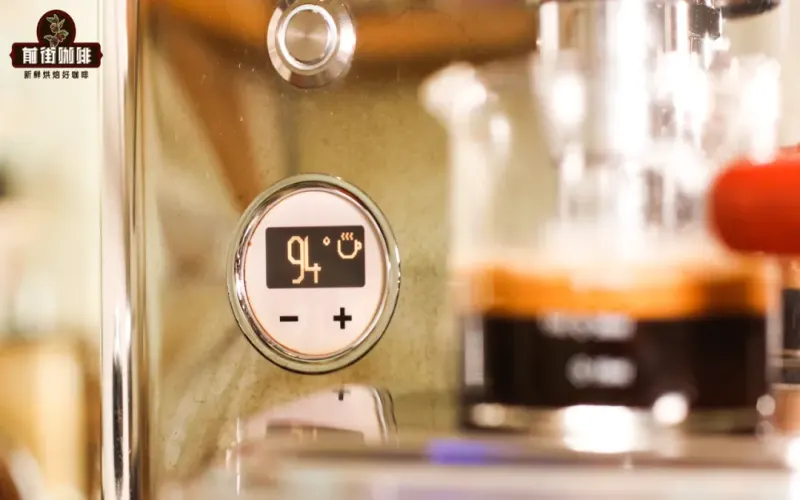
What Temperature Should You Set for Espresso Extraction? Analyzing the Impact of Water Temperature on Flow Rate, Crema, and Flavor
When pulling espresso, what temperature should the water actually be set to? Starting from Front Street's hands-on experience, this article systematically sorts out the specific effects of water temperature on extraction efficiency, the flow rate of the coffee liquid, and the richness of the crema, and combines the differences in dose and ratio between espresso and Americano to explain why the preferred water temperature ranges for the two are not the same. The article also introduces a practical approach: fix the water temperature within a reasonable range, and instead adapt by adjusting the grind and liquid weight, so as to quickly and stably extract a delicious espresso. In addition, the article also gives specific explanations on the deviation between boiler water temperature and actual extraction water temperature, as well as how to respond when the interval between extractions is too long. [more…]
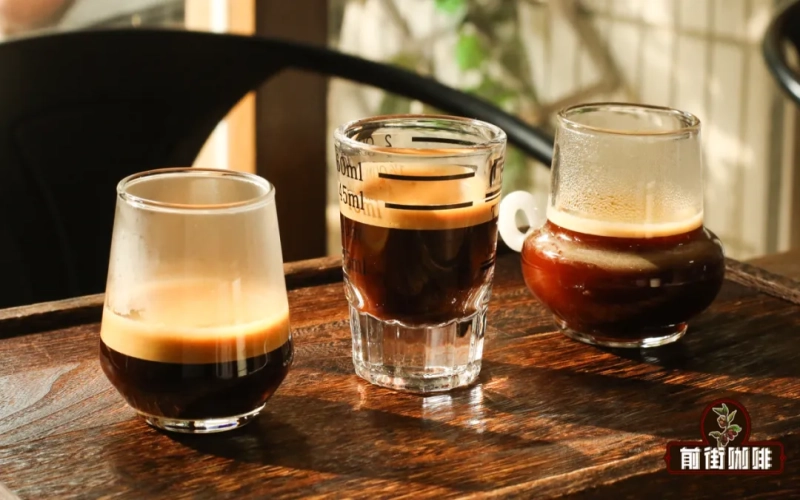
A Complete Guide to Espresso: Extraction Differences Between Ristretto and Lungo, Plus Practical Advice
Espresso is the foundation of Italian coffee, but do you understand the differences between the three extraction versions: Ristretto, Normale, and Lungo? Each has a different extraction ratio and strength, making them suitable for different drinks such as lattes, cappuccinos, and flat whites. Many enthusiasts often encounter flavor imbalance when trying short or long extractions—the former being sharply acidic and thin, the latter unbearably bitter. This article will provide an in-depth analysis of the characteristics of the three types of espresso and share how to choose the right extraction method based on your needs, while retaining Front Street Coffee's practical recommendations to help you pull a balanced and delicious Espresso at home. [more…]
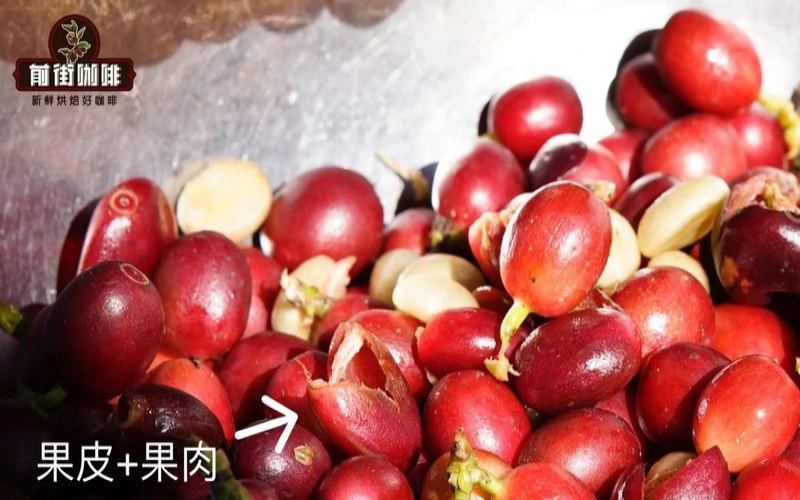
SOE from Roast Date to Opening the Bag: Seizing the Window When Aroma Is at Its Peak
The aroma of coffee beans isn't fully developed on the day they're roasted. After SOE is bagged, it continues to release carbon dioxide; in the first few days it smells very lively, yet during extraction it may expand too quickly and the flow rate can be erratic. Understanding the relationship between the roast date, the opening date, and the drinking timeline is more important than just looking at the shelf life in determining whether the cup is clear and sweet. [more…]
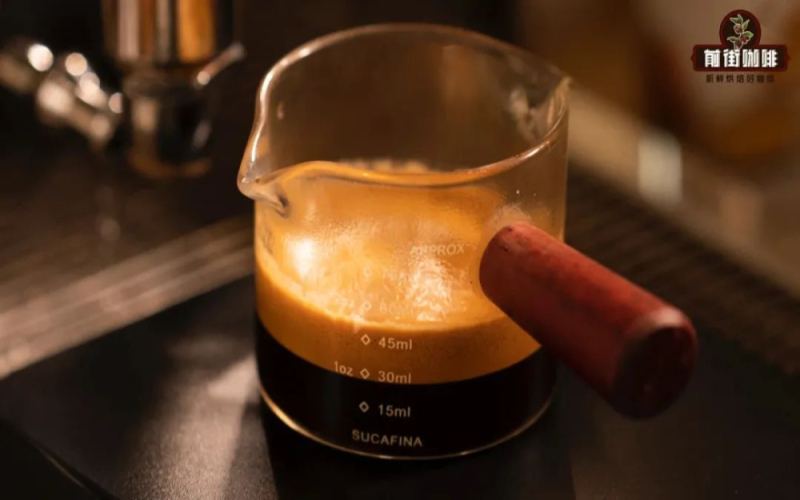
The Critical Role of Espresso Extraction Time: An In-Depth Analysis of Grind Settings and Time Parameters
In the world of coffee extraction, time is a seemingly simple yet extremely critical variable. Different brewing methods have different time requirements, and because espresso has extremely high extraction efficiency, its sensitivity to time far exceeds other methods—even a difference of just 3 seconds can make the flavor in the cup completely different. This article will discuss espresso extraction time, tracing the evolution from the traditional 20–30 second approach to the modern recommended 25–30 second approach, analyzing how time assists in dialing in the grind, judging flavor trends, and verifying extraction stability, and explaining why light-to-medium roasts or large dose scenarios require appropriately extended extraction times. [more…]

Can Espresso Be Extracted Twice After an Interrupted Shot? Testing the Impact of Split Extraction on Flavor and Strength
If you mistakenly press the stop button during espresso extraction before reaching the target yield, can you simply press it again to continue extraction? This article compares three espressos—normal extraction, mid-extraction stop-start, and stop-start near the final phase—to analyze how segmented extraction affects the color, flavor, and concentration of the coffee liquid. Front Street Coffee uses the Warm Sun blend, testing with 20g of grounds extracted to 40ml at a 1:2 brew ratio, to reveal why under pressurized extraction, changes in the puck structure cause an overly fast flow rate and under-extraction during a second extraction, along with operational recommendations. [more…]

Introduction to Iced Coffee Types | What's the Difference in Flavor and Mouthfeel Between Ice-Drip Coffee and Cold Brew Coffee? Why Do Coffee Shops Require Reservations for Ice-Drip?
For more specialty coffee knowledge, please follow our WeChat official account: Front Street Coffee (FrontStreet Coffee). Recently, quite a few friends have come to the Front Street store asking if we have cold brew coffee. Among Front Street's iced coffees, we not only have cold drip, but also cold brew, iced Americano, and iced pour-over brews of various single-origin coffee beans. [more…]
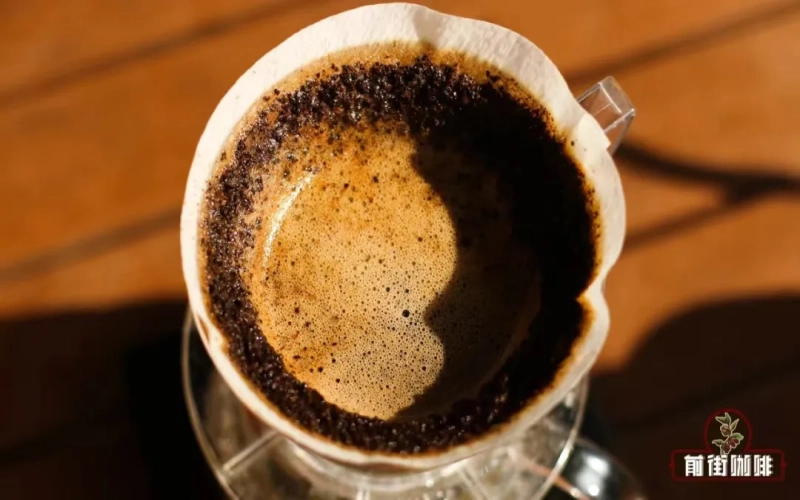
Can Coffee Grounds Be Reused for Repeated Extraction? Why Pour-Over and Drip Bag Coffee Shouldn't Be Brewed Multiple Times
Coffee and tea are both beverages that rely on water to dissolve flavor, so if tea leaves can be steeped repeatedly, can coffee grounds do the same? In terms of composition, about thirty percent of coffee beans is soluble matter, which theoretically does support multiple extractions. In practice, however, the coffee liquid obtained from repeated brewing tends to be thin and carry off-flavors. The reason is that a normal extraction has already released most of the sweet and sour essence, and the remaining substances cannot support good flavor. This article will start from extraction yield and the order in which flavors dissolve to explain why coffee grounds are single-use, and to clarify why pour-over and drip-bag coffee are not recommended for repeated brewing. [more…]
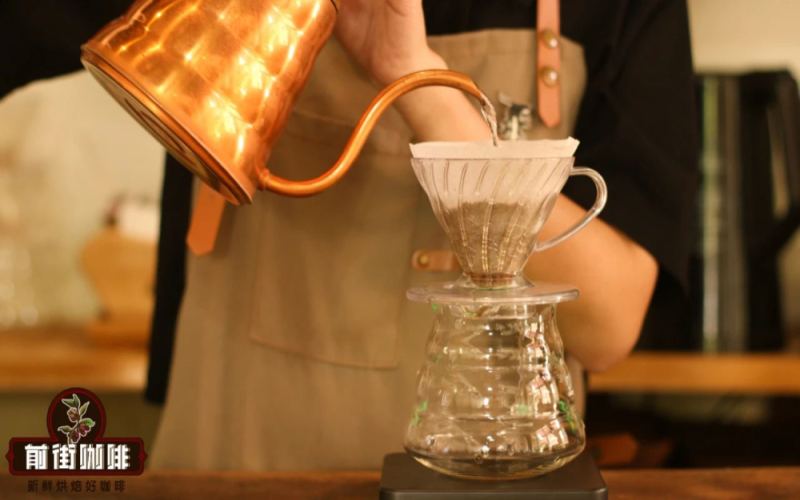
The Complete Guide to Espresso Grind and Extraction Time: From 20 to 30 Seconds, How Coarseness Shapes Espresso Flavor
In espresso preparation, grind size and extraction time are like an inseparable pair, together determining the final flavor direction of the espresso. Starting from the principles of extraction, this article reviews the historical evolution of espresso extraction recipes and current mainstream practices, with a focus on analyzing the applicability differences of the classic 25-to-30-second time window for coffee beans of different roast levels. At the same time, the article also explores how to use extraction time to judge whether the grind size is appropriate and whether extraction is stable, and specifically explains why the time needs to be extended accordingly for medium-light roasted beans and under pre-infusion systems. Drawing on daily production experience, Front Street Coffee provides enthusiasts with a set of grind adjustment ideas that can be quickly put into practice. [more…]

Can a Toothpick Handle the Job of a WDT Tool? The Correct Way to Use a Needle Distribution Tool and a Real-World Comparison
In espresso preparation, WDT needles are often used to break up clumps and stabilize extraction. But without professional tools, can a toothpick serve as a temporary substitute? Front Street Coffee took advantage of the humid weather of Guangzhou's returning south wind days and used the Warm Sun blend to conduct three sets of comparative extractions, observing the espresso performance with no WDT tool, with WDT needles, and after stirring with a toothpick, and further made iced americanos for a blind test. The results found that WDT needles can indeed make extraction more even, and toothpicks also have a certain effect under specific circumstances, but when paired with water or milk, the difference is not easily noticeable. This article will present the complete experimental process and conclusions, and explain the origin of WDT needles and the correct approach to using them. [more…]
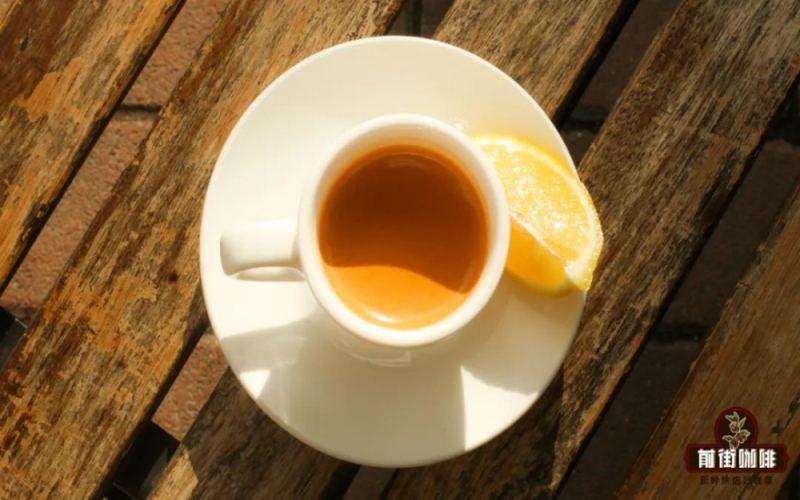
More Than Just Lemon! Creative Espresso Drinks: A Guide to Cuban Coffee, Con Panna, and Macchiato
The bitterness of espresso puts many people off, so people have come up with various ways to add flavor and reduce the bitterness. From adding sugar and milk to adding cream, many classic Italian coffee drinks have been derived. Today, Front Street will sort out several fancy ways to drink espresso, including Ristretto and Lungo from short and long extractions, Cuban espresso with brown sugar, Macchiato topped with milk foam, and Con Panna with whipped cream. Each one, without changing the essence of espresso, makes the coffee easier to drink and brings a richer taste and tactile experience. If you also can't get used to the bitterness of pure espresso, why not follow Front Street and see which one suits you better. [more…]
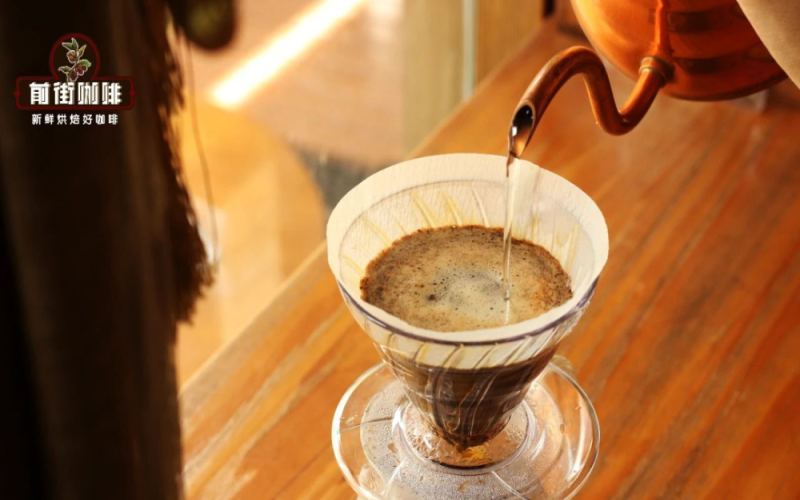
Can French Press Coffee Be Re-Extracted? Yirgacheffe Flavor Guide and Brewing Parameters
The French press is a coffee brewing device that is simple to use and requires no electricity or paper filters, making it especially suitable for busy office workers. This article discusses whether a French press can be used for multiple brews, the flavor characteristics of Yirgacheffe beans, and the specific brewing steps and coffee-to-water ratio. Front Street Coffee's Gutingding Yirgacheffe is chosen as the demonstration bean, with recommended parameters for two servings, including grind size, water temperature, and steeping time, to help coffee enthusiasts consistently make a cup of French press coffee at home that is layered and complex, with jasmine floral notes and citrus tones. [more…]
What Is Pre-Infusion in Espresso? Principles, Techniques, and Extraction Time Reference
In pour-over coffee, blooming is an almost indispensable step, as it helps release carbon dioxide and makes subsequent extraction more stable. So in the high-pressure extraction of espresso, is a similar "blooming" also needed? The answer is pre-infusion. This article will start from the definition of pre-infusion, the applicable equipment, and the logic for adjusting duration and pressure, combining the two major issues of fresh bean degassing and channeling to explain the practical role of pre-infusion. Then, using Front Street Coffee's Warm Sun blend as an example, it will use the Lelit Bianca V3 to conduct comparative extractions with and without pre-infusion, presenting differences in crema condition, flavor layers, and flow rate, to help coffee enthusiasts understand the value of pre-infusion in espresso output. [more…]
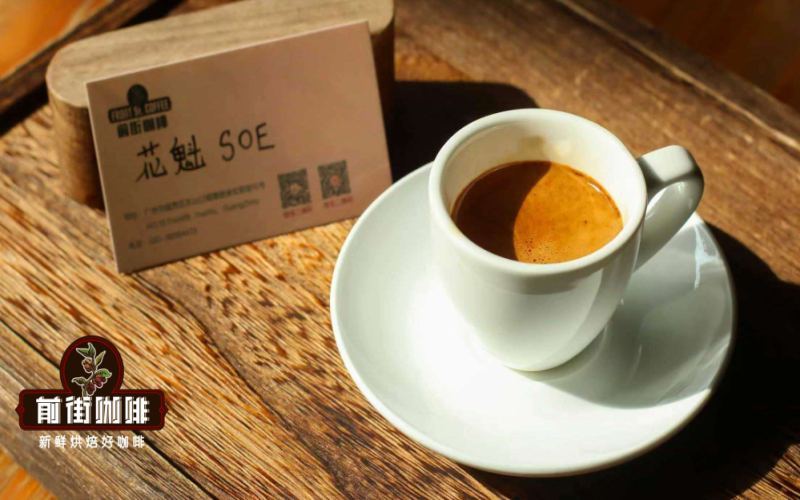
Price Differences and Flavor Comparison Analysis Between SOE Single-Origin Espresso and Pour-Over Coffee Beans
SOE (Single Origin Espresso) has become a popular choice for specialty and chain coffee shops in recent years. It uses single-origin beans extracted through an espresso machine, allowing the character of a producing region to shine through at high concentration. This article takes "Front Street Yirgacheffe Gudingding Cooperative Washed Beans" as an example, comparing the flavor differences of the same bean prepared by pour-over and SOE, analyzing SOE's advantages as well as shortcomings such as instability, and offering suggestions for selecting coffee beans suitable for SOE, including specific recommendations such as Front Street Strawberry Candy, Brazil Queen's Estate, and Granada Geisha, as well as Front Street's commitment to fresh roasting. [more…]
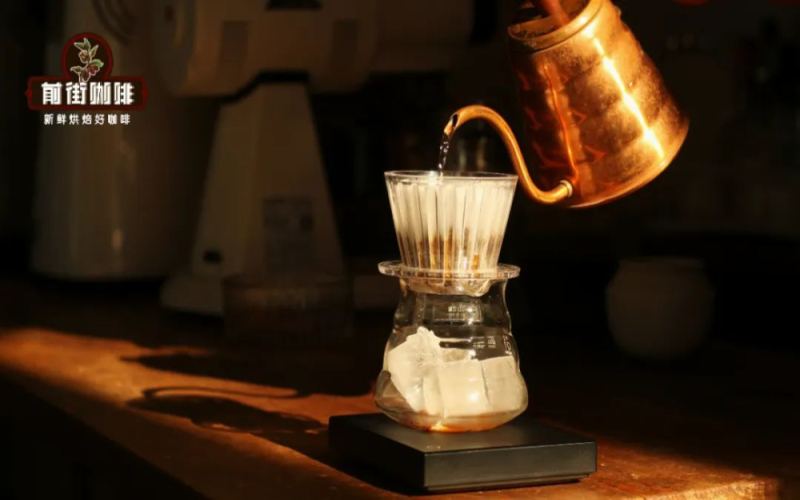
What's the difference between cold brew, ice drip, and iced Americano? From principles to preparation, understand all three types of iced coffee at once
Iced coffee is not just one method. Depending on the extraction temperature, iced coffee on the market can be broadly divided into two categories: one is brewed with hot water and then cooled with ice, with iced Americano being the most typical example; the other involves low-temperature or room-temperature water directly contacting the coffee grounds, allowing the flavors to release slowly, with cold brew and ice drip both belonging to this camp. Although both are low-temperature extractions, they differ considerably in equipment, process, and final taste. This article will start from the extraction principles, outline the home preparation steps for cold brew coffee, explain the structure and output logic of the ice drip pot, and explain why the ice drip made from the same beans is often cleaner than cold brew. Friends who like floral and fruity notes can also refer to several Front Street Coffee bean recommendations suitable for making iced coffee. [more…]
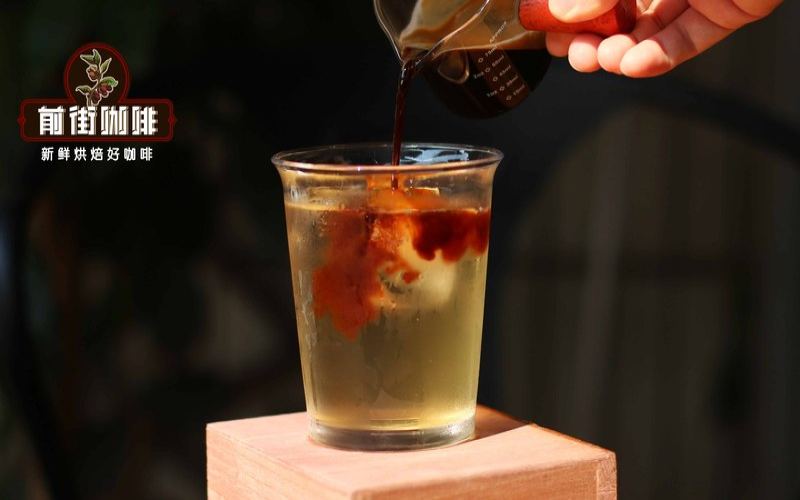
After the roast date, when does a home espresso blend taste better?
After coffee beans leave the roaster, they continue to release carbon dioxide, and espresso extraction amplifies this change. If you open the bag immediately after roasting, the puck tends to swell rapidly when it meets water, and both the flow rate and the crema layer are more active; after resting for a few days, gas release slows down, and sweetness, body, and aroma usually come together more easily in the same cup. [more…]
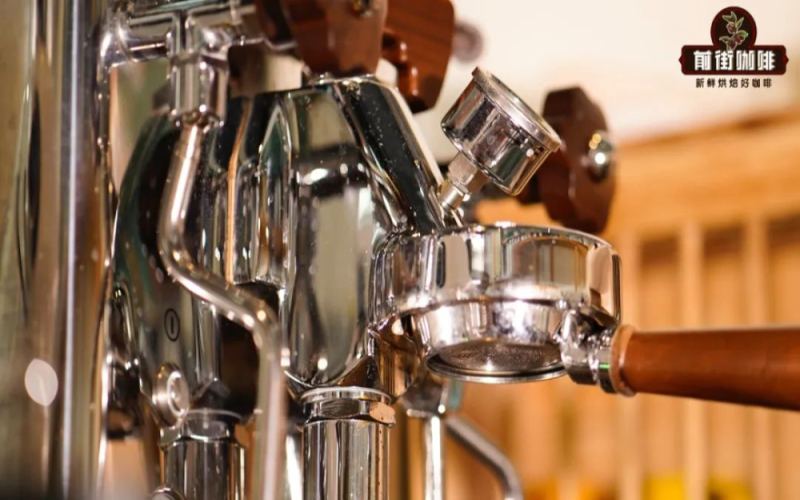
Daily Maintenance Guide for Espresso Machines: How to Properly Clean the Brew Head Shower Screen and Steam Wand
If a coffee machine lacks maintenance for a long time, extraction quality will gradually decline and may even cause malfunctions. This article takes the small espresso machine used in Front Street stores as an example to systematically explain the complete process of daily cleaning and deep maintenance for home coffee machines. The content covers key steps such as simple rinsing of the brew head dispersion screen and blind basket backflushing, wiping the steam wand surface and soaking the tip for descaling, and deodorizing the portafilter spout area. The article explains in detail the amount of special cleaning powder to use, control of backflush time and number of cycles, and precautions to avoid damaging the pressure relief valve. No matter what model is used, this method is basically universal, helping coffee enthusiasts maintain their machines at low cost and reduce the risk of needing repairs. [more…]
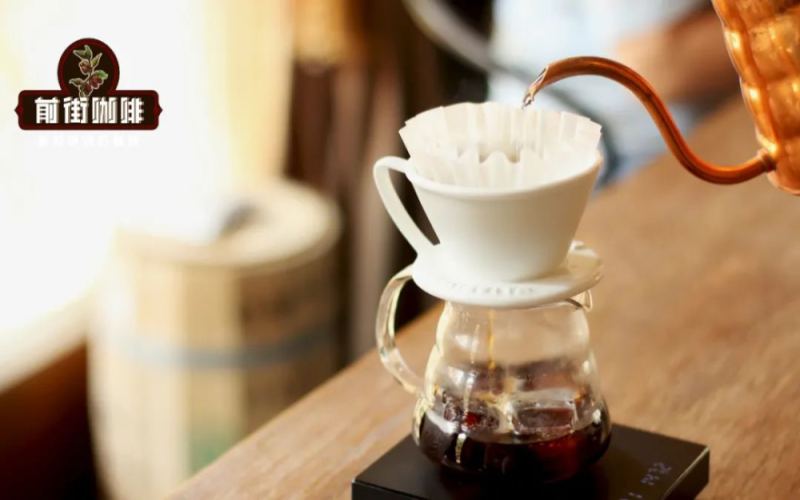
A Complete Analysis of the Flavor Differences Between Iced and Hot Pour-Over: Which Coffee Beans Are Better for Iced Brewing?
During the National Day holiday, many coffee enthusiasts visited the shop to buy coffee beans and also asked Front Street about a common confusion: the same beans, when brewed as hot pour-over, have excellent aroma and taste, but when made into iced pour-over, the flavor becomes vague, the mouthfeel is thin, and it even tastes like water. Why exactly is this? Front Street selected four coffee beans with different styles and conducted hot pour-over and iced pour-over extractions respectively, comparing them from the three dimensions of aroma, flavor, and mouthfeel. This article will take washed medium-light roast, natural medium-light roast, dark roast, and fermented beans as examples, presenting the true performance of each under the two brewing methods one by one, and deeply analyze the reasons why iced pour-over flavor becomes weaker. Finally, it will give suggestions for selecting coffee beans suitable for making iced pour-over, helping everyone enjoy a rich yet refreshing iced coffee even in hot weather. [more…]